English
 русский
Content
- 1 The Different Types of Curtain Rings at a Glance
- 2 Curtain Ring Types Compared in One Table
- 3 Clip Rings for Fast and Flexible Hanging
- 4 Hook and Pin-On Curtain Rings for Pleated Drapes
- 5 Plain Slide-Through Rings for Tab Top and Loop Curtains
- 6 Eyelet Rings and Grommet Style Curtains
- 7 Magnetic Curtain Rings
- 8 Curtain Ring Materials and Finishes
- 9 Decorative Curtain Rings and Style Choices
- 10 How to Choose the Correct Curtain Ring Size
- 11 How Many Curtain Rings Do You Need
- 12 Matching Curtain Rings to Fabric Weight
- 13 How to Hang Curtains Using Curtain Rings
- 14 Common Curtain Ring Mistakes to Avoid
- 15 Care and Cleaning of Curtain Rings
- 16 FAQ About Different Types of Curtain Rings
- 16.1 What are the main types of curtain rings
- 16.2 Which curtain ring is best for heavy drapes
- 16.3 Do clip curtain rings damage fabric
- 16.4 How do I know what size curtain ring to buy
- 16.5 Can I use curtain rings with eyelet curtains
- 16.6 How many curtain rings per panel do I need
- 16.7 Are wooden curtain rings strong enough
- 16.8 Do curtain rings make curtains slide more easily
- 17 Final Takeaway on Curtain Rings
The Different Types of Curtain Rings at a Glance
The main types of curtain rings are clip rings, hook or pin-on rings, plain slide-through rings, eyelet rings, magnetic rings and decorative rings made from wood, metal or resin. Each type connects the curtain to the rod in a different way, and that connection decides how the fabric hangs, how smoothly it slides and how easy it is to take down for washing.
A curtain ring is a circular piece that sits on the rod and carries the curtain. Some rings grip the fabric with a clip. Others pass through a pocket or a loop, or hook into a pleat tape. Choosing the correct curtain ring comes down to three things: the heading style of your curtain, the weight of the fabric and the diameter of the rod.
If you want a fast answer, clip rings suit most ready-made panels, hook rings suit pleated and lined drapes, and plain rings suit curtains with sewn-in loops. The rest of this guide explains every option in detail, including sizes, materials, spacing and the mistakes that cause curtains to snag.
Curtain Ring Types Compared in One Table
Use this table to match the curtain ring to your fabric and heading before reading the details below.
| Ring Type | How It Attaches | Best For | Ease of Removal |
|---|---|---|---|
| Clip rings | Spring clip grips the fabric edge | Flat panels, tapestries, light to medium fabric | Very easy |
| Hook rings | Pin or hook slides into heading tape | Pleated, lined and heavy drapes | Easy |
| Plain rings | Sewn tabs or loops are threaded on | Tab top and loop top curtains | Moderate |
| Eyelet rings | Rod passes through fitted metal or plastic eyelets | Modern eyelet curtains | Moderate |
| Magnetic rings | Two magnet halves close around the fabric | Delicate fabric, quick changes | Very easy |
| Decorative rings | Usually a clip or hook attached to a styled ring | Rooms where the hardware is part of the look | Easy |
Clip Rings for Fast and Flexible Hanging
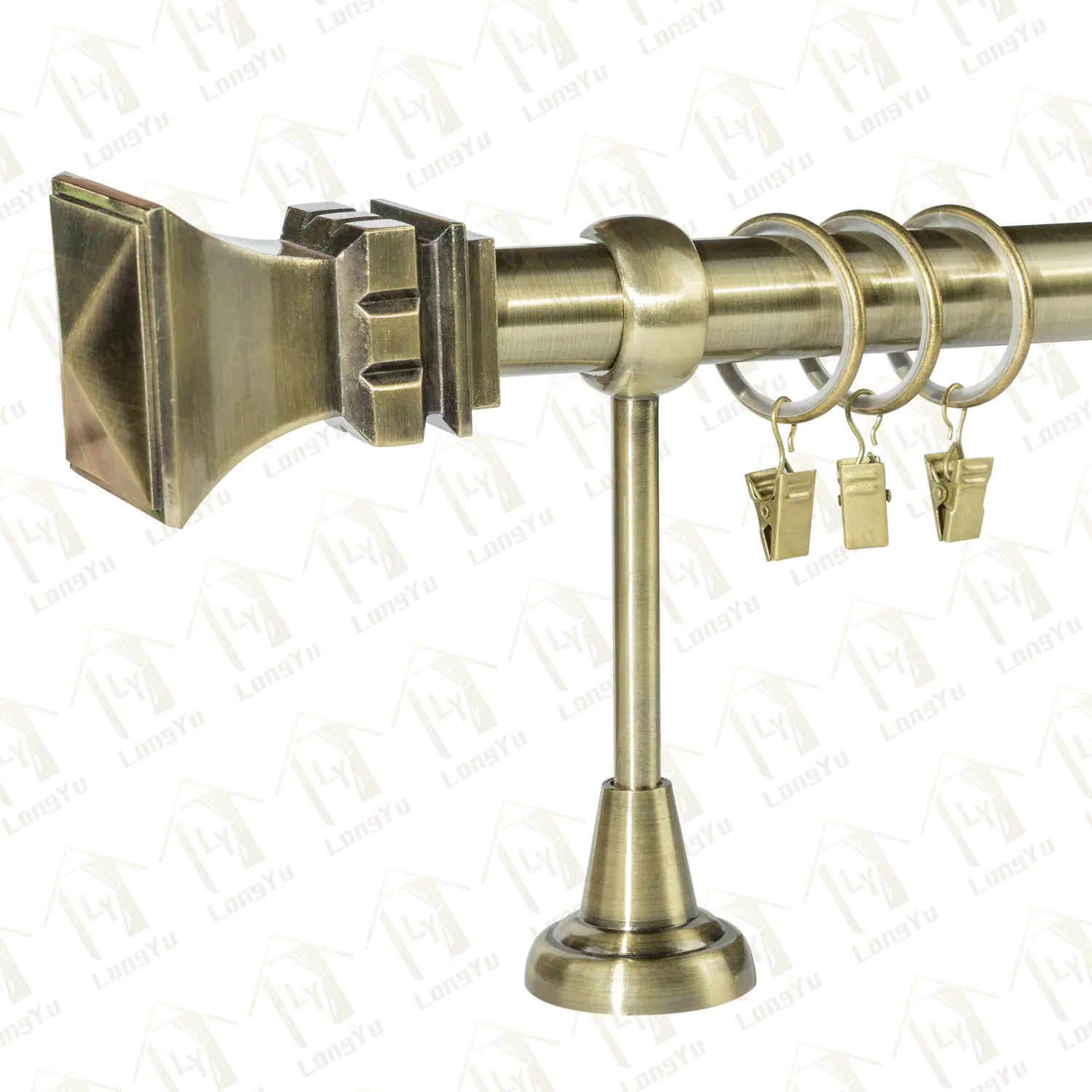
A clip ring combines a metal ring with a spring clip, often with a small eye connecting the two. You squeeze the clip, grip the top edge of the fabric and release. No sewing, no heading tape and no pins are required, which makes this the most popular curtain ring for ready-made panels.
Standard Clip Rings
Standard clip rings have a narrow jaw that suits light and medium fabrics such as cotton, linen blends and voile. They are the easiest way to hang a flat panel or a piece of fabric that has no heading at all, such as a throw, a tapestry or a length of lace.
Wide Jaw Clip Rings
Wide jaw versions spread the grip across a larger area. This reduces pinch marks and helps the clip hold thicker fabric such as lined cotton or velvet. If you are hanging heavier panels with clips, choose the wide style with a firm spring.
Pros and Cons of Clip Rings
- Pro: you can adjust the curtain length by moving the clips up or down.
- Pro: curtains come off quickly for washing.
- Con: clips can leave small marks on thin or delicate fabric.
- Con: weak springs may slip when the curtain is very heavy.
Hook and Pin-On Curtain Rings for Pleated Drapes
A hook ring, sometimes called a pin-on ring, has a small hook or pin that slides into the pockets of a pleat or heading tape. This is the traditional way to hang lined and interlined drapes, and it keeps the pleats evenly spaced along the rod.
Why Hook Rings Hold Heavy Fabric Well
The hook sits inside the tape, so the load is carried by the reinforced heading instead of a pinch point on the fabric. Heavy blackout panels and thermal lined drapes stay in shape because every pleat is supported at the same height.
Pencil Pleat, Pinch Pleat and Wave Heading
Pencil pleat and pinch pleat tapes use hooks at set intervals. Wave heading uses a different carrier system on a track, so a standard curtain ring is not the right part for that style. Always check the heading label before you buy rings.
Plain Slide-Through Rings for Tab Top and Loop Curtains
Plain rings have no clip and no hook. They are simple, closed or split circles that you thread onto the rod, and the curtain tabs or loops are then attached to each ring. They give a clean, uncluttered look and work well with casual and rustic styles.
Split Rings and Closed Rings
A closed ring must be slid on from the end of the rod before the finial goes on. A split ring or open ring can be added after the rod is already mounted, which is helpful when you want to add one more curtain later.
Best Fabric Heading for Plain Rings
Tab top, loop top, back tab and sewn-in ring tab curtains all pair with plain rings. Because the fabric hangs from loops, the drape tends to look relaxed and slightly gathered.
Eyelet Rings and Grommet Style Curtains
Eyelet curtains, also called grommet curtains, have large holes along the top that are reinforced with metal or plastic rings. The rod passes through these holes directly, so no separate curtain ring is needed on the rod itself. The eyelet is the ring, built into the fabric.
What to Check Before Buying
- Measure the inner diameter of the eyelet. It should be at least 0.5 inch larger than the rod.
- Choose a rod without large finials on one end, or plan to remove the finial while threading.
- Pick a smooth rod finish so the eyelets slide with little friction.
- Match the eyelet finish to the rod, such as brushed nickel or matte black.
Eyelet curtains do not slide as freely as ring hung curtains, because the fabric rubs on the rod. For rooms where you open and close the drapes every day, a ring based system is usually smoother.
Magnetic Curtain Rings
Magnetic rings use two small magnet halves that close around the fabric, either with a hook or with a flat grip. They are gentle on delicate textiles because they do not use a sharp spring jaw, and they let you change panels in seconds.
Where Magnetic Rings Work Best
They suit sheer curtains, seasonal panels and spaces where you rearrange the look often. For very heavy drapes, a hook or strong clip is a safer choice, since the magnet grip is lighter than a mechanical hold.
Curtain Ring Materials and Finishes
The material of a curtain ring affects how quietly it glides, how long the finish lasts and how it looks next to your rod. Here are the main options.
- Steel: strong, affordable and widely available with plated or powder coated finishes.
- Stainless steel: resists rust and suits kitchens, bathrooms and coastal homes.
- Brass and zinc alloy: heavier, with a premium feel and antique or satin gold looks.
- Aluminum: light and corrosion free, good for medium curtains.
- Wood: warm and natural, pairs with wooden poles, though the surface needs gentle care.
- Plastic and resin: quiet and low cost, best for light fabric and children rooms.
Popular Finishes
Matte black, brushed nickel, antique bronze, satin brass and polished chrome are the finishes you will find most often. Match the ring finish to the rod and to nearby hardware such as door handles and lamp bases for a unified look.
Decorative Curtain Rings and Style Choices
Some curtain rings are chosen mainly for appearance. Because the rings sit in plain view along the rod, they act as jewelry for the window.
Common Decorative Styles
- Flat wide rings for a modern, sleek line.
- Twisted or rope rings for a coastal or farmhouse feel.
- Crystal or bead rings for formal or glam rooms.
- Stained or natural wood rings for cabins, studies and traditional rooms.
Keep the decorative ring in proportion to the rod. A thick rod with thin rings looks unbalanced, and a slim rod with oversized rings looks heavy.
How to Choose the Correct Curtain Ring Size
The inner diameter of the ring must be larger than the rod. A good rule is to choose a ring with an inner diameter about 0.25 to 0.5 inch larger than the rod diameter, so the ring glides without wobbling.
| Rod Diameter | Suggested Ring Inner Diameter | Typical Use |
|---|---|---|
| 5/8 inch | 0.9 to 1 inch | Light sheers, cafe curtains |
| 3/4 inch | 1 to 1.25 inches | Standard panels |
| 1 inch | 1.25 to 1.5 inches | Lined drapes |
| 1.25 inches | 1.5 to 1.75 inches | Heavy and wide drapes |
| 1.5 inches | 1.75 to 2 inches | Statement poles |
Always check the exact measurement on the product page, since makers list inner diameter in different ways.
How Many Curtain Rings Do You Need
The number of rings changes how evenly the fabric folds. As a working guide, place one ring every 3 to 4 inches along the top of each panel. Closer spacing makes tighter, more formal folds, while wider spacing gives a looser, relaxed drape.
Quick Method
- Measure the width of one curtain panel before it is gathered.
- Divide that width by the spacing you want, such as 3.5 inches.
- Round up to an even number so both panel edges are supported.
- Add one extra ring per panel if the fabric is heavy.
For example, a panel that is 56 inches wide with spacing of 3.5 inches needs 16 rings. Buy rings in packs that match your total, and keep a few spares.
Matching Curtain Rings to Fabric Weight
Fabric weight is the quickest way to narrow down your choice of curtain ring.
Light Fabrics
Voile, chiffon and thin cotton work with magnetic rings or small clip rings. Keep the grip gentle so the fabric does not pucker.
Medium Fabrics
Cotton, linen and polyester blends do well with standard clip rings or plain rings with sewn loops. This is the widest category and covers most ready-made curtains.
Heavy Fabrics
Velvet, blackout and interlined drapes need hook rings or wide jaw clips with strong springs. Pair them with a sturdy rod and a center support to avoid sagging.
How to Hang Curtains Using Curtain Rings
Hanging curtains with rings takes about 15 minutes per window once the rod is mounted.
- Take the finial off one end of the rod, or lift the rod out of its brackets.
- Slide the rings onto the rod, counting them so each panel gets an equal share.
- Lay the curtain flat and mark where the first and last ring will sit, about 1 inch from each edge.
- Attach each clip or hook to the curtain, spacing them evenly.
- Return the rod to the brackets and replace the finial.
- Open and close the curtain a few times and adjust any ring that grips unevenly.
Setting the Curtain Length
With clip rings, the position of the clip on the fabric decides where the hem lands. Clip lower for a shorter curtain and higher for a longer one, then check that the hem just touches the floor or hovers about half an inch above it.
Common Curtain Ring Mistakes to Avoid
- Choosing rings that are too tight on the rod, which makes the curtain stick and jerk.
- Using weak clips on heavy fabric, so the clips slip and the hem becomes uneven.
- Spacing rings too far apart, which creates deep, uneven scallops across the top.
- Mixing finishes between rings, rod and brackets without a plan.
- Ignoring the heading type, such as buying clip rings for a curtain that needs hook rings.
- Forgetting spares, since one broken clip can ruin a full set.
Care and Cleaning of Curtain Rings
Take rings off the curtain before you wash it, because metal can scratch the drum and snag fabric. Wipe metal rings with a soft damp cloth and dry them right away. Wooden rings should be dusted and wiped with a barely damp cloth, never soaked. If rings start to squeak, a small dab of silicone spray on the rod usually fixes it. Check clip springs and hook tips twice a year and replace any that look bent.
FAQ About Different Types of Curtain Rings
What are the main types of curtain rings
The main types are clip rings, hook rings, plain slide-through rings, eyelet rings, magnetic rings and decorative rings.
Which curtain ring is best for heavy drapes
Hook rings and wide jaw clip rings handle heavy fabric best because they spread the load across the heading.
Do clip curtain rings damage fabric
Good quality clips with smooth jaws are safe for most fabrics. For very delicate material, choose magnetic rings or add a strip of fabric tape under the clip.
How do I know what size curtain ring to buy
Measure the rod diameter and pick a ring with an inner diameter about 0.25 to 0.5 inch larger.
Can I use curtain rings with eyelet curtains
Eyelet curtains do not need rings, because the rod passes through the eyelets. You can add rings only if the curtain has a separate loop or tab design.
How many curtain rings per panel do I need
Plan for one ring every 3 to 4 inches, rounded up to an even number.
Are wooden curtain rings strong enough
Yes for light and medium curtains. For heavy fabric, metal rings are the safer option.
Do curtain rings make curtains slide more easily
Yes. Rings reduce contact between the fabric and the rod, so curtains open and close more smoothly than eyelet or rod pocket styles.
Final Takeaway on Curtain Rings
Start with your curtain heading, then match the curtain ring to the fabric weight and rod size. Clip rings are the easy all rounder, hook rings carry pleated and heavy drapes, plain rings suit tabs and loops, and magnetic rings protect delicate fabric. Space them evenly, keep a few spares and your curtains will glide and hang well for years.