English
 русский
Curtains do more than dress a window. They set the softness of a living room, calm the acoustics, and change the way daylight lands on a sofa.
After years of making rods, brackets, rings, and tracks for homes and hospitality projects, we have learned that the prettiest curtain ideas are usually the calmest ones: generous width, a confident mounting height, and hardware that does its job without asking for attention. These are the ideas we return to again and again.
Content
Start With Height: The Make-or-Break Detail
A rod hung just above the window frame can make a generous window look small. In most living rooms, the more flattering line is 4 to 6 inches below the ceiling or crown molding. Tall ceilings can take a higher line; the goal is to draw the eye up. Width matters just as much. Extend the rod 6 to 12 inches past the trim on each side so the curtains can stack back without covering the glass.
- Measure the window width, then add 12 to 20 inches for stack-back.
- Decide the height: 4 to 6 inches below the ceiling, or 2 to 4 inches above the trim for a more casual look.
- Check that bracket screws land in studs or in anchors rated for the weight.
- Dry-fit the rod and rings before the final tighten.
Mark before you drill. A pencil line and a spirit level save more time than a box of wall anchors.
Plan the stack. Add 12 to 20 inches to the total rod width so the panels rest open without bunching.
Leave a return. Curtains need a little wall space at each end so they do not crimp against the trim.
Layer Sheers and Drapes for a Softer Room
A single panel can look crisp, but a layered window feels finished. Start with a sheer or light linen on a back rod or track, then add a heavier pair in front. The sheer filters glare; the front panel adds weight and privacy. A double bracket or double track keeps the layers aligned without doubling the visual clutter.
Three Layering Recipes
- Sheer + relaxed linen: best for bright rooms that need privacy without heaviness.
- Roman shade + side drapes: good for a window with a view or a deep sill.
- Wall-to-wall track + soft pleats: a clean, hotel-like look for wide openings.
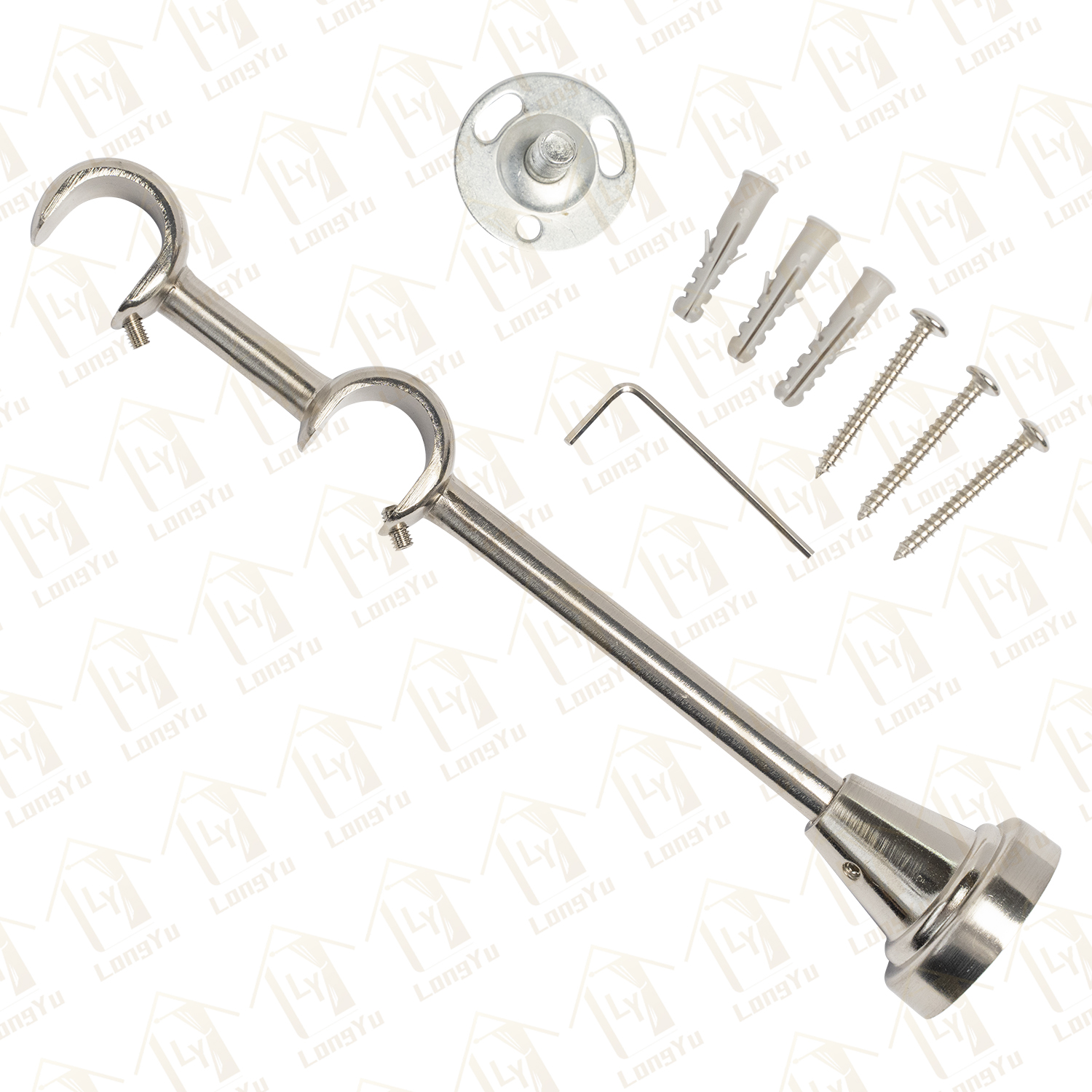 Double Curtain Brackets for Layered Window TreatmentsAluminum double brackets hold two rods and keep sheer and heavier curtain layers spaced for separate light and privacy control.View Product →
Choose a Rod or Track That Fits the Look
Rods are the visible option: they bring finish, finials, and a bit of architecture. Tracks are the quiet option: they disappear into a ceiling or recess and handle wide spans, bay windows, and heavier layers with less fuss. Neither is better in every room. The right choice depends on how much you want the hardware to be part of the design. We go deeper into this in our guide to the difference between curtain rods and rails.
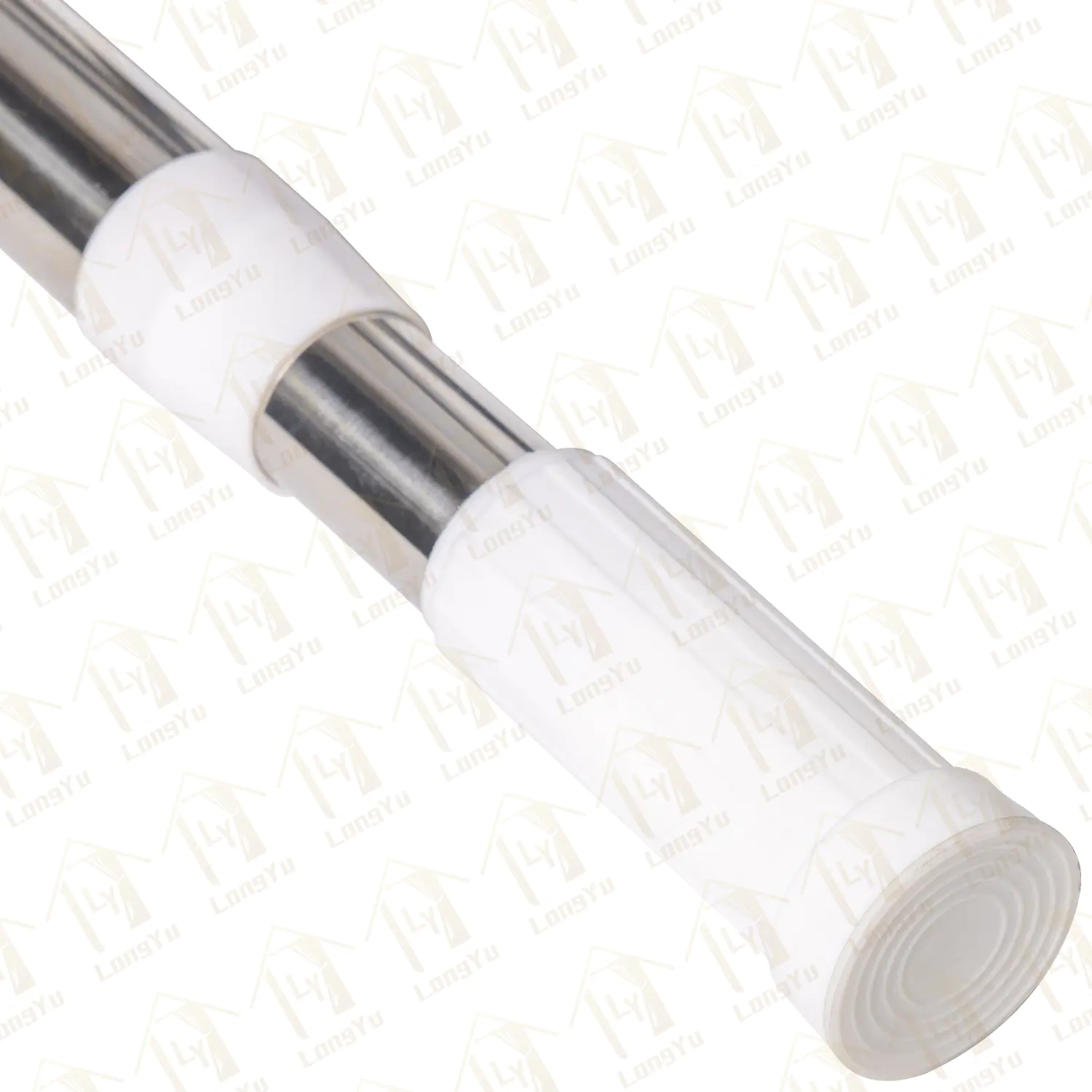
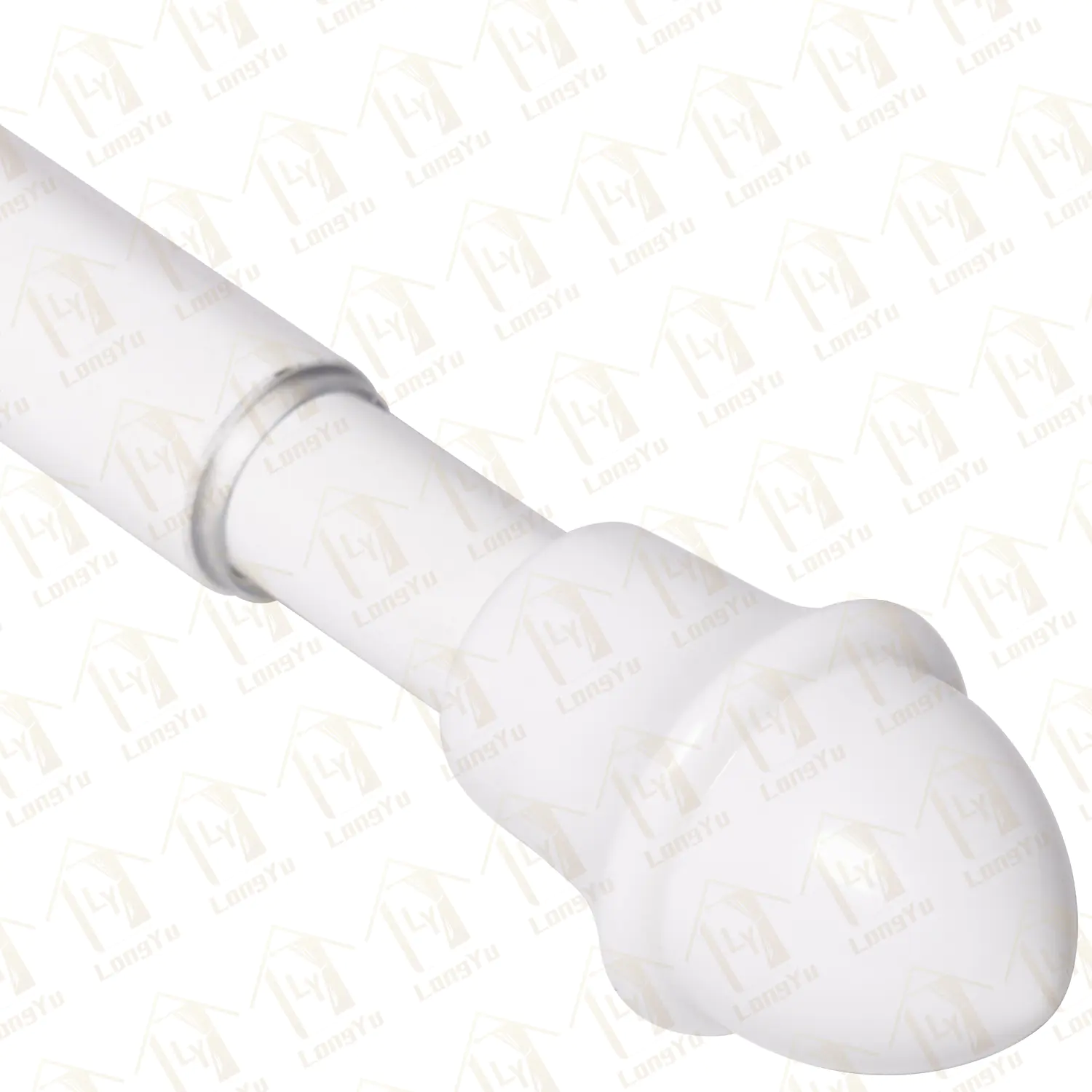
 Metal Iron Curtain Rods for Visible Rod InstallationsHigh-quality iron rods in multiple diameters and finishes support varied curtain weights while adding visible finish and structure to rod-based installations.View Product →
| Feature | Curtain Rod | Curtain Track |
|---|---|---|
| Look | Decorative and visible; finials add character | Minimal and low-profile; often hidden |
| Best for | Standard windows, layered panels, rental-friendly installs | Wide openings, ceiling mounts, bay windows, heavy drapery |
| Installation | Bracket-mounted and easy to adjust | Often ceiling-fixed; needs accurate alignment |
| Finishing touch | Finials, rings, holdbacks | Gliders, end stops, discreet returns |
A useful rule: if the rod span is longer than 8 feet, plan on a center bracket or a heavier bracket. Long spans are where good hardware earns its keep.
Fabric, Color, and Fullness: The Quiet Decisions
Fabric is where most people start, but fullness is what makes fabric behave. For a gathered look, aim for 2 to 2.5 times the rod width. For a tailored, modern look, 1.5 to 2 times can be enough. With a track and gliders, the same math applies; the difference is how the pleats stack.
Light and Airy
Linen, cotton voile, pale oak, and warm white. Keep hardware slim and use a simple pocket or ripple fold.
Warm and Grounded
Cotton canvas, wool blend, clay, olive, and aged brass. A double bracket lets you add a sheer without crowding the frame.
Rich and Dramatic
Velvet, heavy linen, deep navy, rust, and antique brass. Go full length with a generous stack and a bracket rated for the weight.
The 2.5x rule is a starting point, not a law. A very wide window may need less; a narrow window may need more. Pin the fabric before you sew or order, and let it hang for a day.
Hardware That Holds the Idea Together
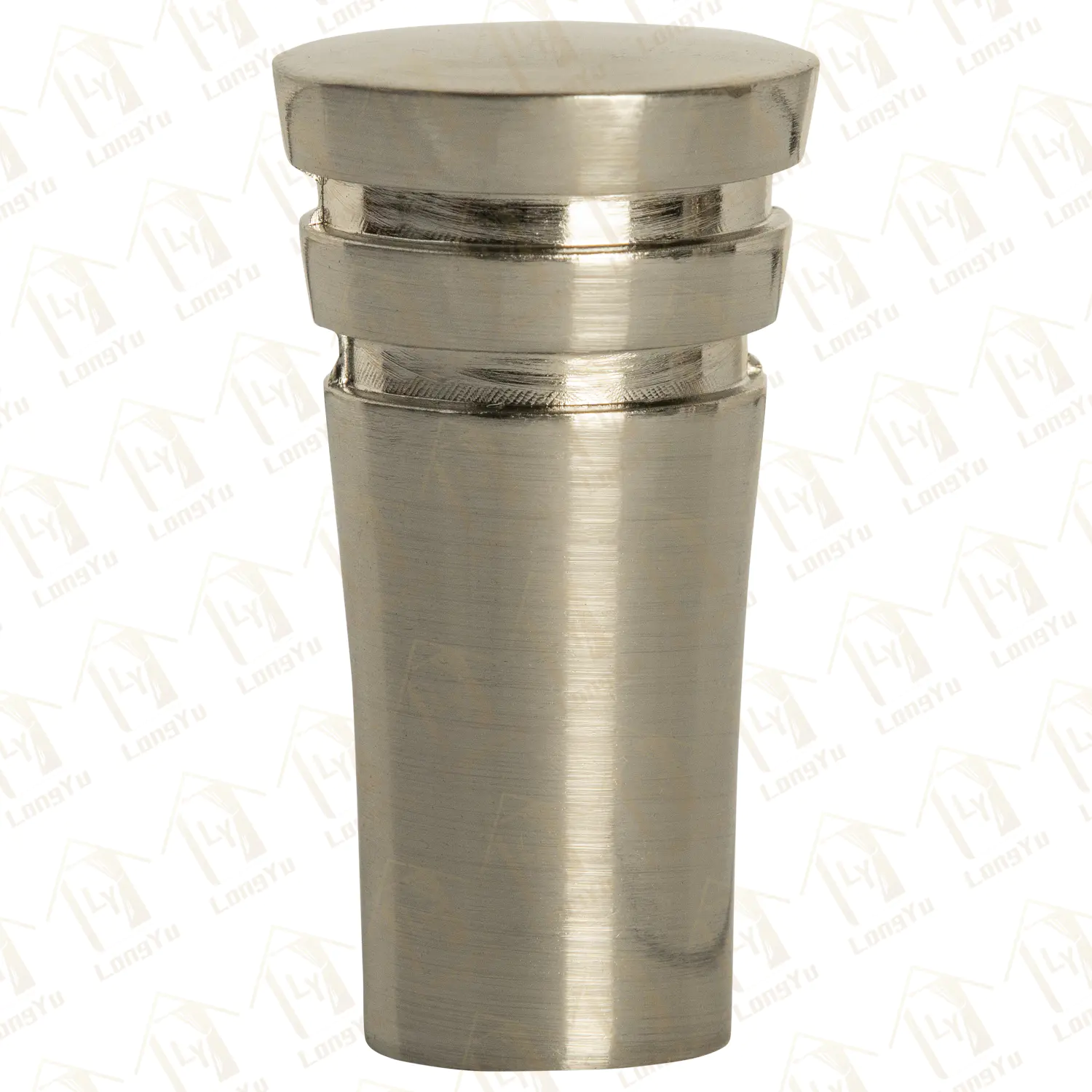
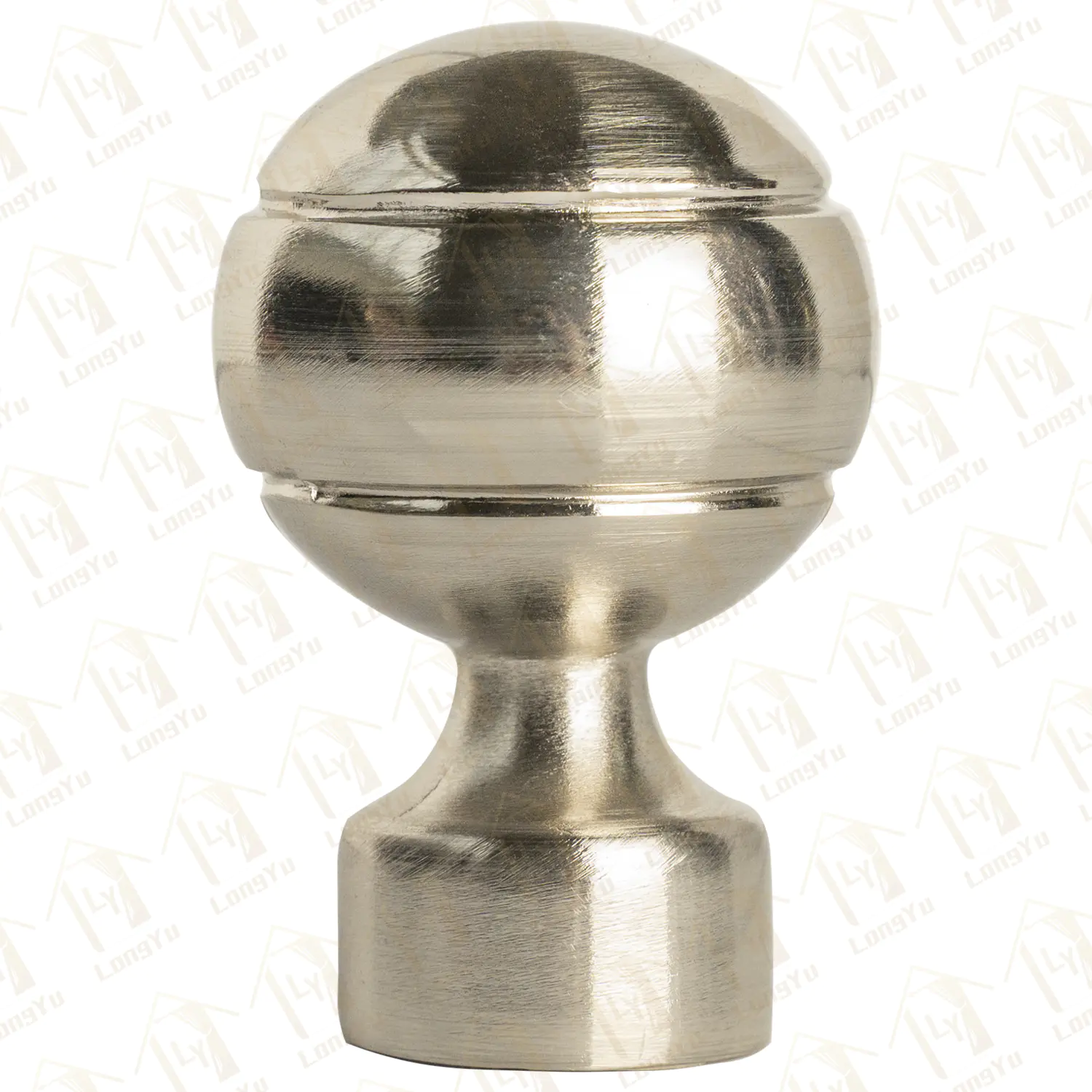
Brackets, rings, and finials are small, but they decide whether the whole idea feels solid. A bracket that flexes under a heavy panel will make the rod dip. A ring that catches on a joint will make every opening feel rough. A finial that is too small can look mean next to a generous window; too large, and it steals the show.
- Match the weight: use a heavy-duty bracket for wide spans or lined drapery.
- Match the ring: the ring diameter should suit the rod so it glides instead of rattling.
- Support the span: add a center bracket on spans over 8 feet unless the rod is rated otherwise.
- Choose finials last: let them echo the room rather than fight the fabric.
- Check the ceiling: plaster alone is not a fixing for a ceiling-mounted track.
The best hardware is the kind you stop noticing after the curtains are up. It should feel steady, not stiff, and quiet when the panels move.
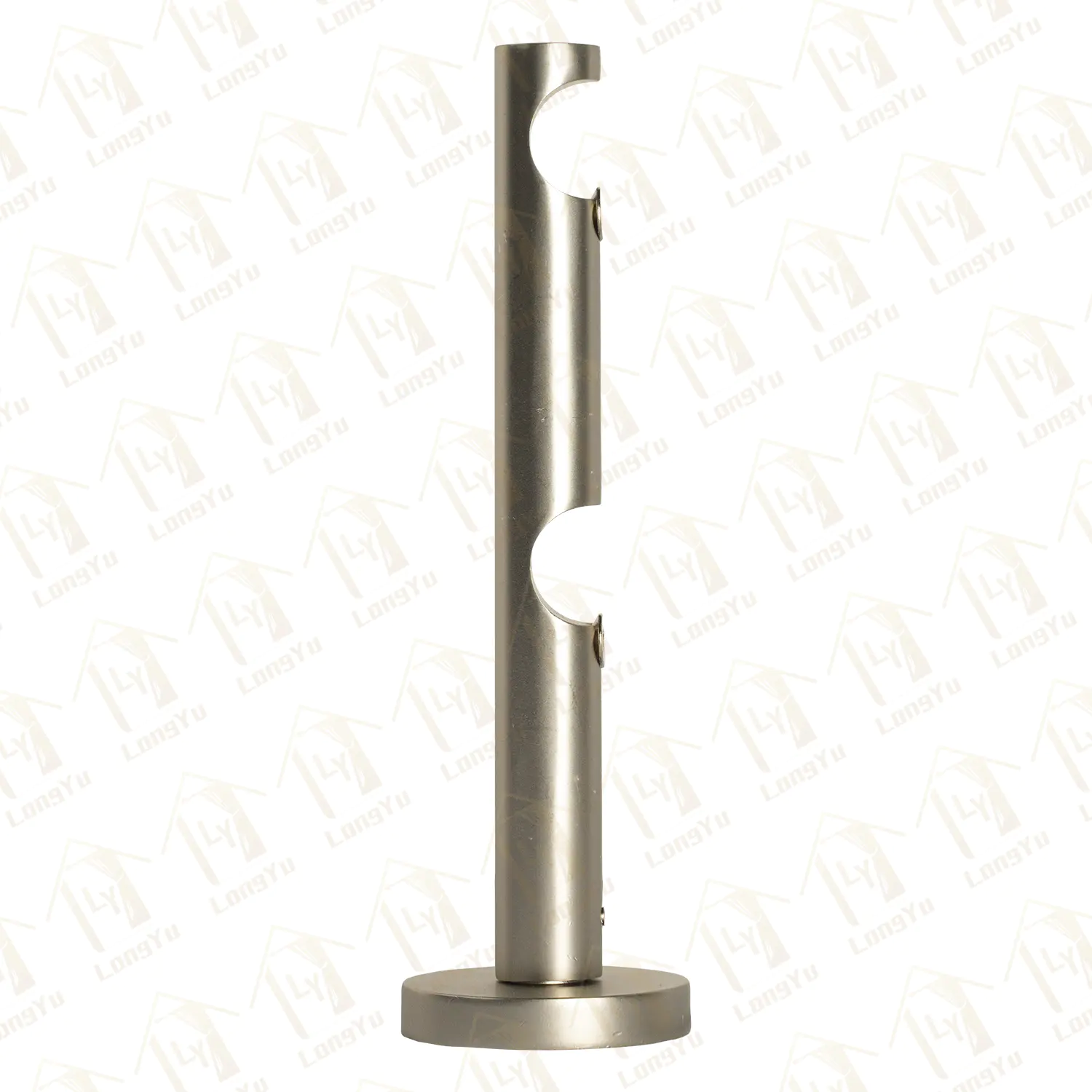 Heavy Duty Curtain Brackets for Thick and Blackout CurtainsAluminum brackets provide stronger support for heavy fabrics and large windows, helping reduce rod sagging and shaking in demanding installations.View Product →
Mistakes We See Most Often (And Quick Fixes)
Looks cramped
The rod is too low or too narrow. Raise it 4 to 6 inches and extend it 6 to 12 inches past the trim.
Looks skimpy
The panels are too flat. Add width to reach at least 2 times the rod width, or open the pleats.
Sags in the middle
The span is too long for one bracket. Add a center support or switch to a heavier bracket.
Feels heavy
The layers are too dark or too dense. Swap the back layer to a sheer, or keep the heavy panel to the sides.
Catches every time
The rings or gliders are the wrong size. Match them to the rod or track and check the joints.
Floats above the floor
The hem is too short. Lower the rod or lengthen the panel; a half-inch break looks intentional.
A Room That Feels Finished
Good curtain ideas are not about following a trend. They are about proportion, light, and the small hardware decisions that let everything else relax. Start with height and width, choose a rod or track that suits the room, then layer and soften until the window feels like part of the living space. If you would like to see how our rods, brackets, and tracks are made, visit our about page. We are always happy to talk through a tricky window.