English
 русский
Content
- 1 The Short Answer on Curtain Rods and Curtain Rails
- 2 Curtain Rods vs Curtain Rails in One Table
- 3 What a Curtain Rod Is and How It Works
- 4 What a Curtain Rail Is and How It Works
- 5 Differences in Appearance and Style
- 6 Differences in Movement and Daily Use
- 7 Weight Capacity and Span Length
- 8 Curtain Rails for Bay Windows and Curved Walls
- 9 Installation Compared
- 10 Cost and Value Comparison
- 11 Pros and Cons at a Glance
- 12 Which Should You Choose for Each Room
- 13 Materials Used in Rods and Rails
- 14 Can You Combine a Rod and a Rail
- 15 Common Mistakes When Choosing Between Them
- 16 FAQ About Curtain Rods and Curtain Rails
- 16.1 Is a curtain rail the same as a curtain rod
- 16.2 Which is better for heavy curtains
- 16.3 Can a curtain rail be used in a bay window
- 16.4 Which looks better
- 16.5 Do curtain rails work with rings
- 16.6 Are curtain rails easy to motorize
- 16.7 How far apart should rail fixings be
- 16.8 Can I hang the same curtain on both
- 17 Final Takeaway on Curtain Rods and Curtain Rails
The Short Answer on Curtain Rods and Curtain Rails
The main difference is this: a curtain rod is a visible pole that you hang curtains from using rings, clips or loops, while a curtain rail is a track with built-in gliders that carry the curtain along a channel, usually with hooks. Rods are decorative and sit in plain view. Rails are functional and often sit hidden against the ceiling or inside a pelmet.
The two terms also vary by region. In the United States, people say curtain rod for almost everything. In the United Kingdom, Australia and much of Europe, curtain rail or curtain track is the common word for the channel system, while curtain pole is the word for the decorative round bar. When a shop lists curtain rails, it usually means a track.
If you want a fast rule: choose a rod when you want the hardware to be part of the look, and choose a curtain rail when you want smooth, quiet movement and a clean ceiling line. The sections below compare them in depth.
Curtain Rods vs Curtain Rails in One Table
This table gives a side by side view of the points that matter most when you compare a curtain rod with a curtain rail.
| Feature | Curtain Rod | Curtain Rail |
|---|---|---|
| Shape | Round or square bar | Flat or low profile track |
| Visibility | Fully visible, often decorative | Mostly hidden |
| Curtain attachment | Rings, clips, loops, eyelets | Hooks and gliders |
| Movement | Good, depends on ring quality | Very smooth and quiet |
| Mounting | Wall brackets | Ceiling or wall fixing |
| Curves and bay windows | Needs special bent rods | Many bend to fit |
| Typical cost | Low to high, style driven | Low to medium, plus motor if used |
What a Curtain Rod Is and How It Works
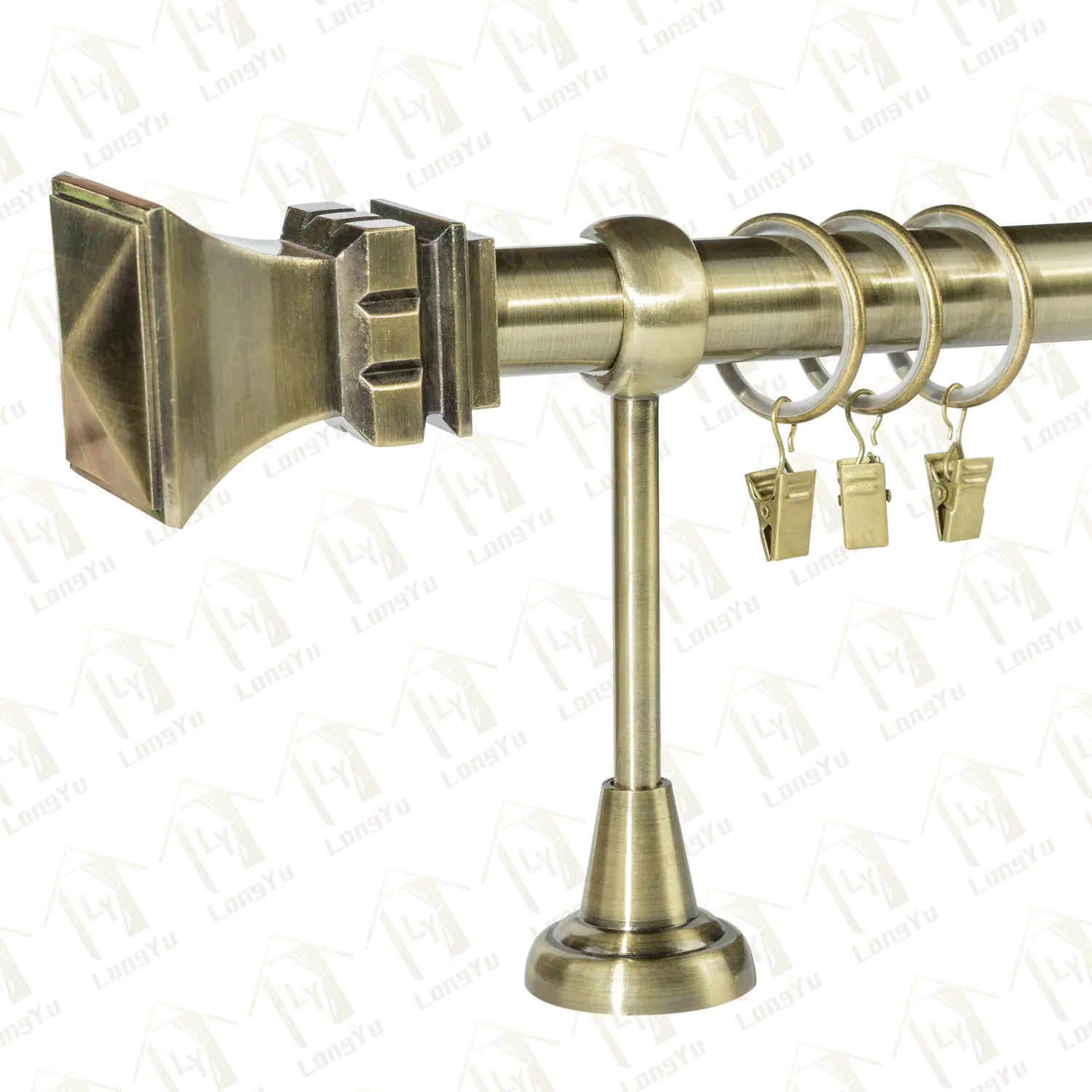
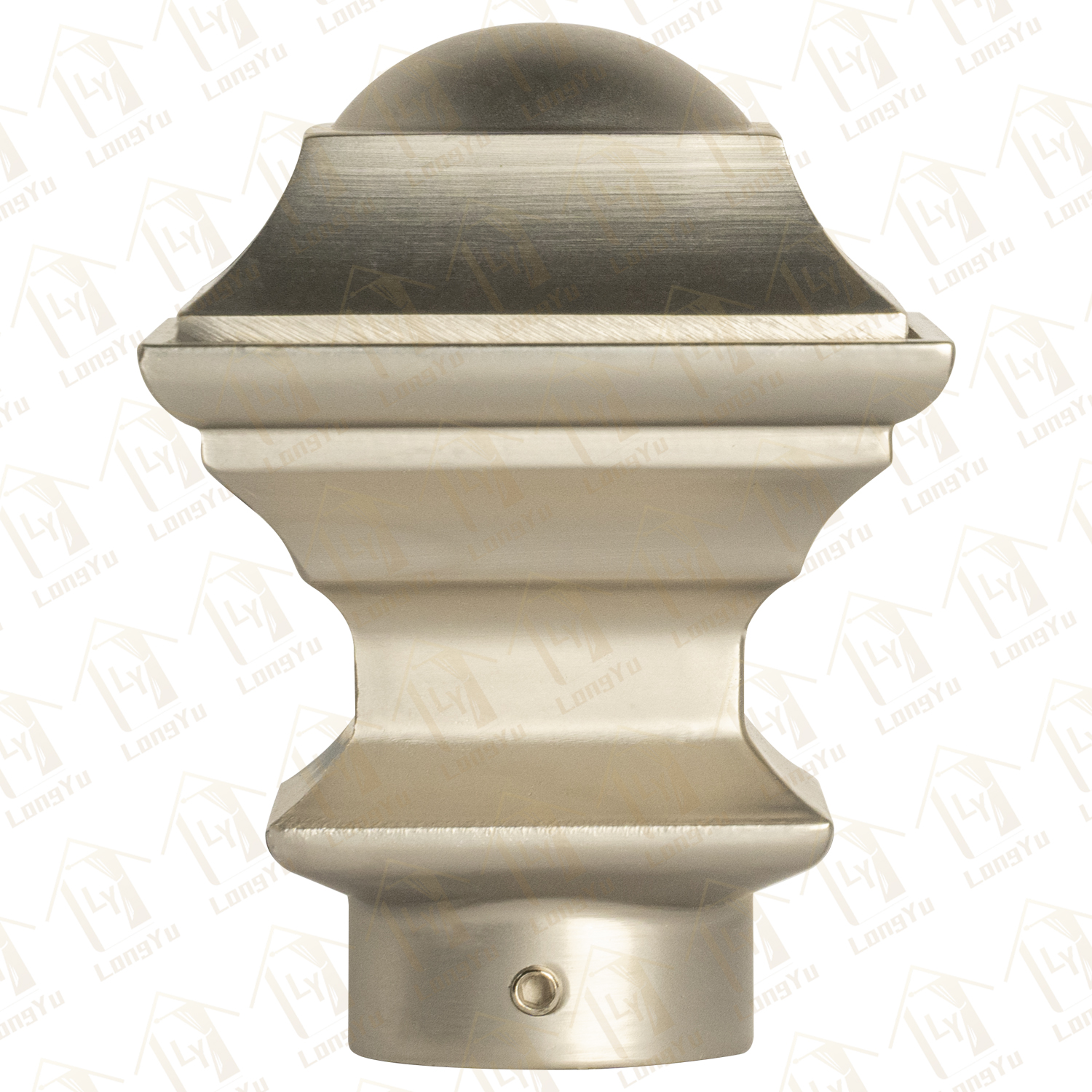
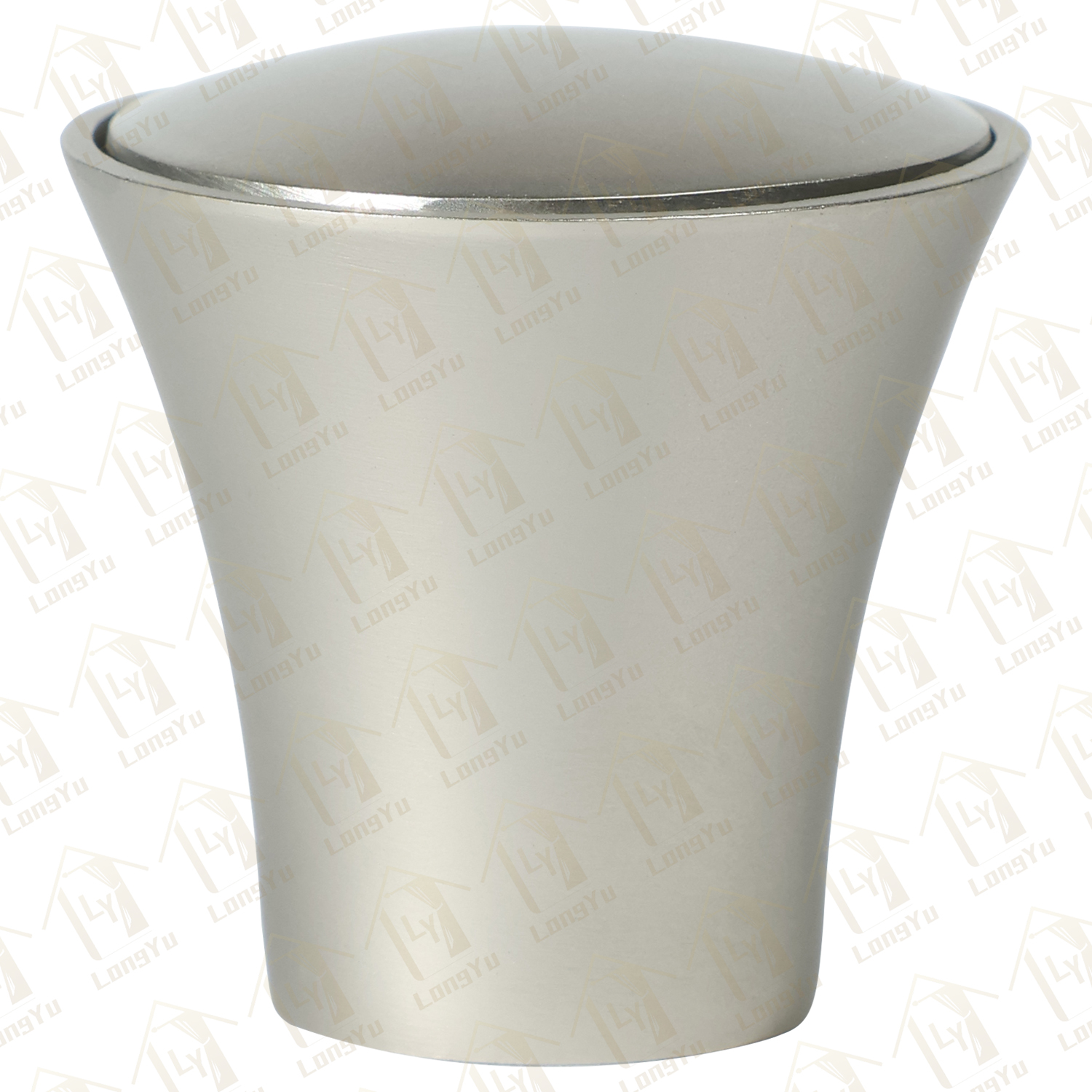
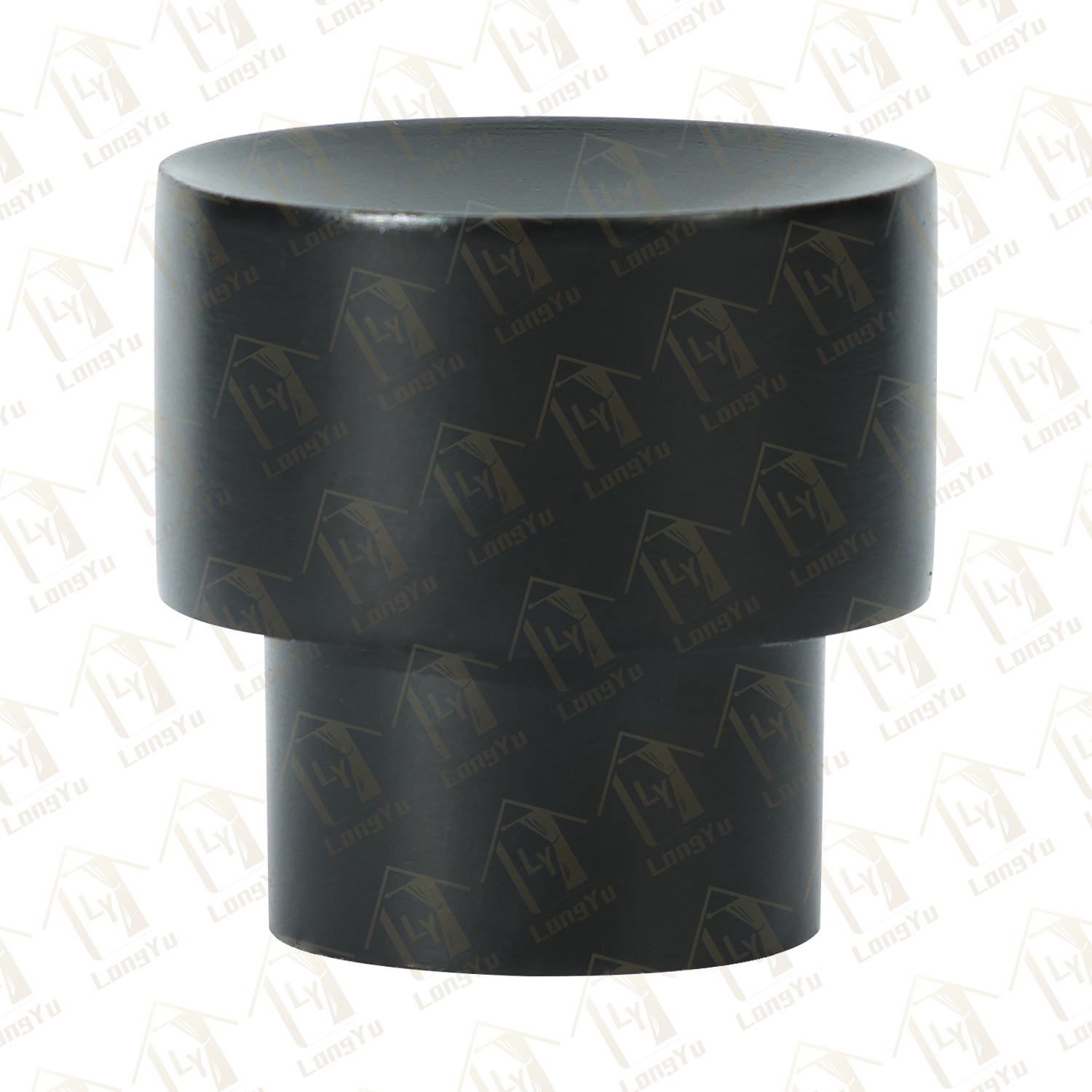
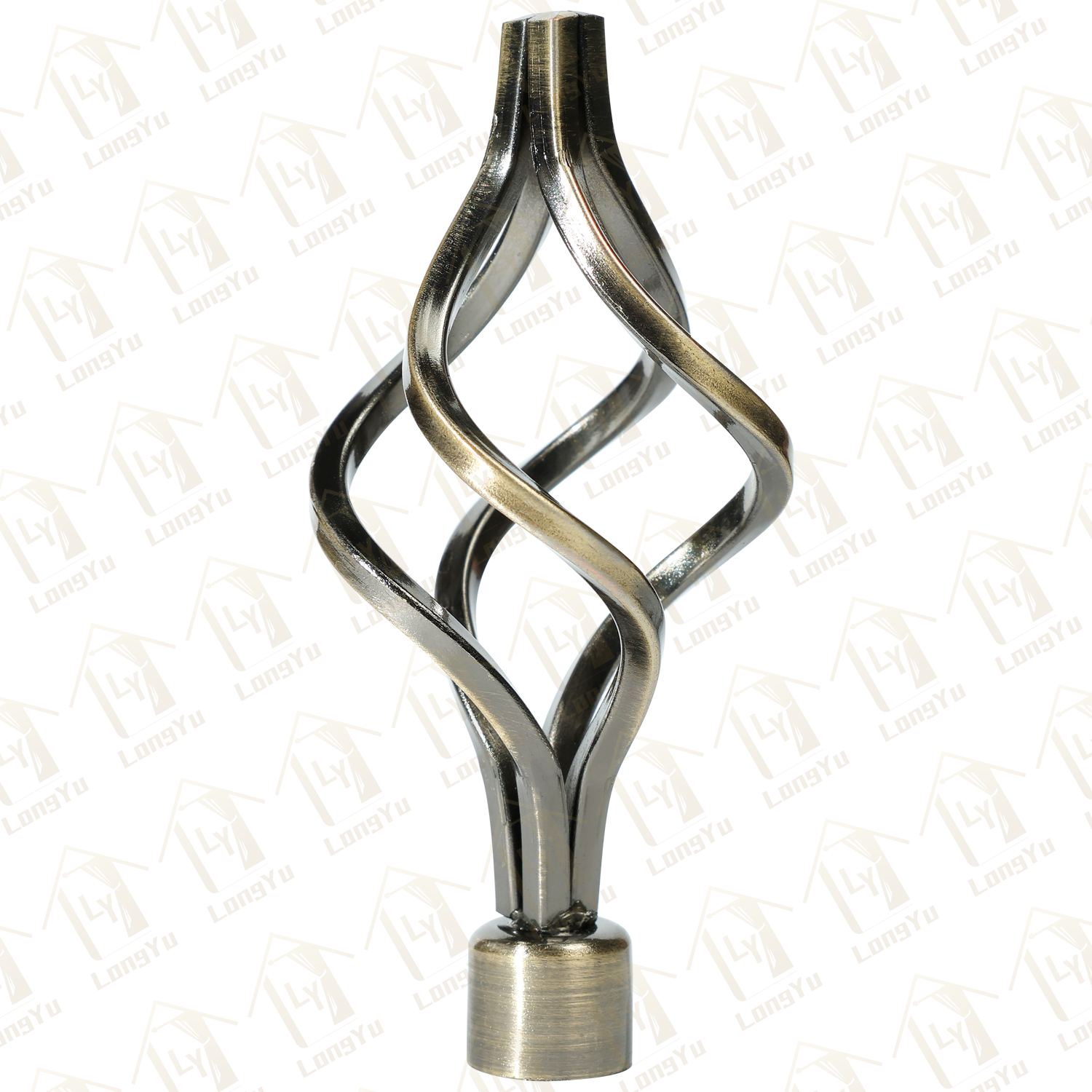
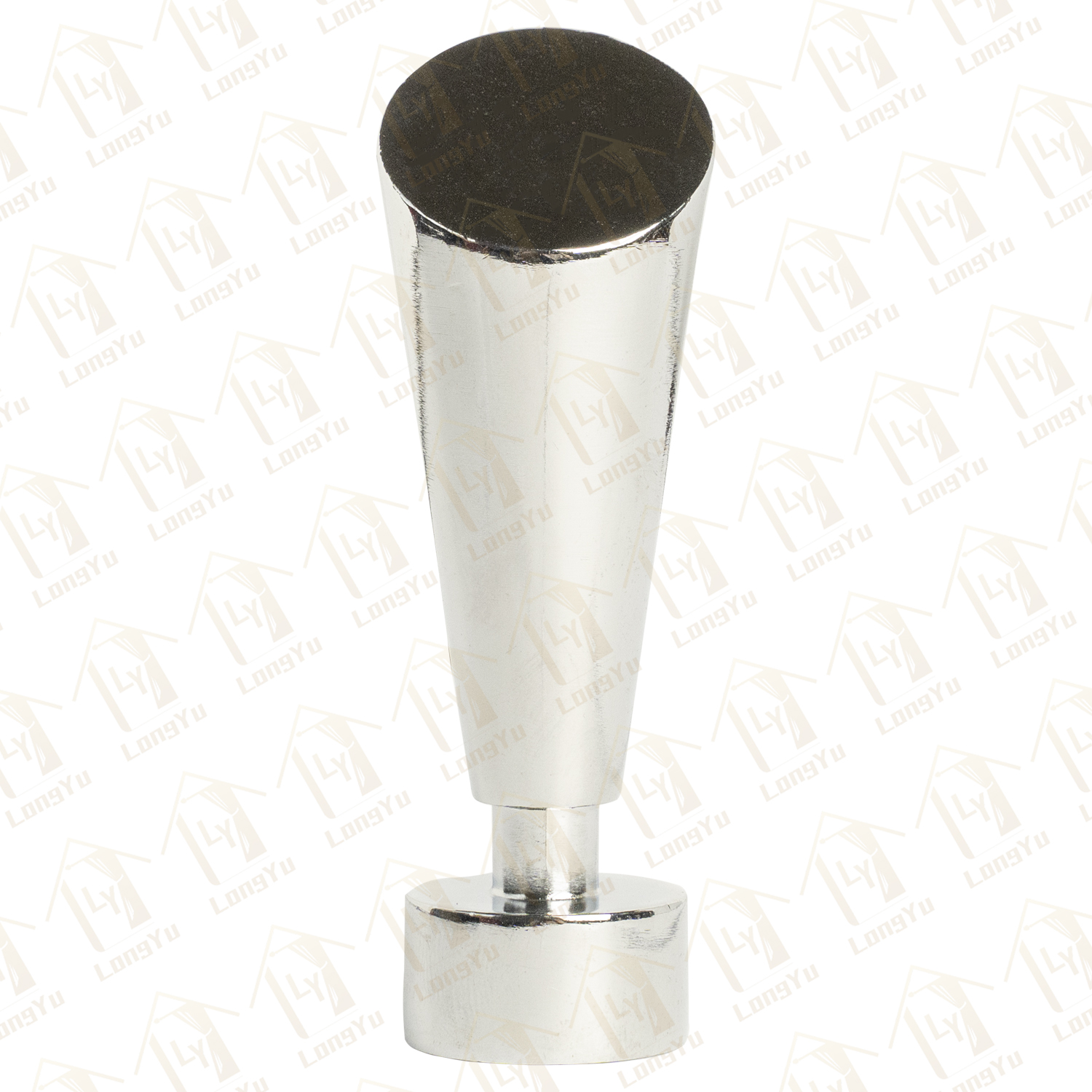
A curtain rod is a solid or hollow bar that rests on two or more brackets. The curtain hangs from it using rings, clips, tabs, back tabs, grommets or a sewn rod pocket. Because the bar stays in view, makers offer it in many finishes, diameters and finial styles.
Main Rod Styles
- Standard single rod: one bar, one layer of curtain.
- Double rod: two bars at different depths, for sheers behind drapes.
- Extendable rod: telescopes to fit a range of widths, handy for rentals.
- Tension rod: held by spring pressure inside a frame, no drilling needed.
- Cafe rod: slim bar for short curtains across the middle of a window.
Typical Sizes
Common rod diameters run from about 5/8 inch for light curtains up to 1.5 inches or more for statement poles. A wider bar carries more weight and looks more substantial.
What a Curtain Rail Is and How It Works
A curtain rail is a track with a channel running along its length. Small gliders or runners sit inside the channel, and the curtain hooks into them. When you pull the curtain, the gliders travel along the track with very little friction.
Why a Curtain Rail Feels Smoother
The gliders are shaped to fit the track, so there is no ring scraping against a metal pole. This is why a curtain rail is often the quieter and easier choice for heavy curtains, wide windows and frequent daily use.
Common Curtain Rail Designs
- Straight track: a plain length for standard windows.
- Bendable track: flexible aluminum or plastic that can be shaped for bays and corners.
- Corded track: opens and closes with a pull cord, keeping hands off the fabric.
- Motorized track: runs from a remote or app and works with smart home systems.
- Room divider track: ceiling mounted and long, used to split spaces.
Differences in Appearance and Style
A curtain rod is chosen as much for its looks as for its job. The finials, the finish and the bar thickness all contribute to the room style. Rustic wood, matte black, brushed brass and glass finials are all common.
A curtain rail does the opposite. It tries to disappear. Fixed to the ceiling or inside a recess, it lets the fabric fall in a clean line from top to floor, which suits modern and minimal rooms. Some rails come with a fascia or cover strip so the track and hooks are fully hidden.
Which One Makes Ceilings Look Taller
Both can, when installed high. A ceiling mounted curtain rail gives the strongest effect because the fabric starts right at the ceiling edge with no gap above it.
Differences in Movement and Daily Use
How a curtain moves on the hardware decides how often you will be happy with it.
- Rings on a rod glide well when the rod is smooth, but rings can snag on brackets, since they must pass the bracket or wait at it.
- Gliders on a rail pass straight through without any bracket interruption, so the curtain draws fully from end to end.
- Eyelet curtains on a rod rub the pole directly and move with more resistance.
- Corded or motorized rails allow one touch operation, which helps with tall windows and hard to reach spots.
One practical note about brackets on rods: a center support is a common sticking point, because rings cannot pass over it. Choose a rod with a bracket design that lets rings pass through, or place the support carefully so each curtain panel never needs to cross it.
Weight Capacity and Span Length
Both options can carry heavy fabric when they are sized and fixed correctly. The difference lies in how they handle long spans.
Rod Limits
A rod may sag over a wide span unless a center bracket is added. Thicker metal rods hold more, and a typical guideline is to add a support once the rod passes about 48 inches. Always check the weight rating from the maker.
Rail Limits
A rail is fixed along its whole length at regular points, so it rarely sags. Heavy duty aluminum rails can carry thick lined drapes over wide windows, and many are sold in lengths that cover openings of 10 feet or more when joined.
Curtain Rails for Bay Windows and Curved Walls
This is where a curtain rail has the clearest advantage. Flexible track can be bent by hand or heated to follow a bay, a bow window or a curved wall, and gliders move smoothly around the corners.
Rods can also handle bays, but they need pre bent poles, corner connectors or a set of separate straight poles. That means more brackets, more joints and sometimes visible gaps where the curtain stops moving at the corner.
Quick Tip for Bays
Make a paper template of the window outline on the floor first, then match it to the track or rod before you order. A small error in a bay window measurement is hard to fix after the rail is cut.
Installation Compared
Installing either option is a manageable home project, but the steps differ.
Installing a Curtain Rod
- Mark bracket positions, usually 4 to 6 inches above the window and 3 to 6 inches outside the frame.
- Level the marks and drill pilot holes into studs or anchors.
- Fix the brackets, thread the curtain on the rod and set it in place.
Installing a Curtain Rail
- Decide on ceiling or wall fixing, then mark the fixing points along the length.
- Fit the support clips or brackets at the spacing the maker lists, often every 12 to 20 inches.
- Clip the track in, slide the gliders on, fit end stops and hang the curtain with hooks.
A rod needs fewer fixing points, but each one carries more load. A rail needs more fixing points, but the load is spread out.
Cost and Value Comparison
Prices vary by brand, finish and length, so use the table as a general guide to where the money goes rather than as fixed prices.
| Cost Factor | Curtain Rod | Curtain Rail |
|---|---|---|
| Basic version | Very affordable | Affordable |
| Premium version | Price rises with finials, wood and brass | Price rises with motors and smart controls |
| Extra parts | Rings, finials, brackets | Gliders, hooks, end stops, cover strip |
| Fitting effort | Low | Low to medium |
Pros and Cons at a Glance
Curtain Rods
- Pro: wide choice of finishes and finials.
- Pro: works with many heading styles.
- Con: can sag on long spans without a center bracket.
- Con: rings may snag at brackets.
Curtain Rails
- Pro: smooth, quiet movement along the full width.
- Pro: bends around bays and curves.
- Pro: supports corded and motorized control.
- Con: limited decorative value, since most of it is hidden.
Which Should You Choose for Each Room
Match the hardware to the way the room is used.
Living Room
A decorative curtain rod works well because the window is a focal point, and the hardware adds character. For very wide patio doors, a curtain rail gives better movement.
Bedroom
A ceiling mounted curtain rail pairs well with blackout drapes, because it limits light leaking across the top and glides quietly in the morning.
Kitchen and Bathroom
Use a stainless steel or aluminum rod, or a plastic coated rail, to resist humidity. Short cafe rods suit small kitchen windows.
Nursery and Children Rooms
A corded or cordless motorized rail keeps loose cords away from small hands, and it makes naptime blackout easy to control. Keep any cord well out of reach.
Home Office
A rail with a smart motor lets you adjust light from the desk, which helps reduce screen glare during the day.
Materials Used in Rods and Rails
- Steel: strong and widely used for both rods and rails.
- Aluminum: light, corrosion free and the standard for extruded rails.
- Brass: a premium choice for decorative rods.
- Wood: warm and traditional, best for poles with light to medium curtains.
- Plastic or PVC: low cost and often used for bendable rails and budget kits.
For most homes, powder coated steel for rods and extruded aluminum for rails give the best balance of strength, weight and price.
Can You Combine a Rod and a Rail
Yes. Layered windows often use a ceiling rail for a hidden blackout drape and a decorative rod in front for a sheer or accent panel. This gives both smooth function and visible style, and it is a popular choice in bedrooms and hotels.
Leave enough depth between the two so the fabrics do not rub. A gap of about 3 to 4 inches between the layers is a good starting point.
Common Mistakes When Choosing Between Them
- Buying by name only, since a curtain rail may be a track in one shop and a pole in another.
- Ignoring the heading style of the curtain, which decides what attaches to the hardware.
- Skipping the center support on a long rod.
- Using too few fixing points on a rail, which causes waves in the track.
- Forgetting the stack back space, so open curtains cover part of the glass.
FAQ About Curtain Rods and Curtain Rails
Is a curtain rail the same as a curtain rod
Not exactly. A rod is a visible pole, while a rail is a track with gliders. In everyday American speech the words are often mixed, but the hardware is different.
Which is better for heavy curtains
A curtain rail is usually easier for heavy fabric because the weight is spread along many fixing points and the gliders move smoothly.
Can a curtain rail be used in a bay window
Yes. Bendable curtain rails are made for bay and bow windows and glide around corners with ease.
Which looks better
It depends on taste. Rods show off the hardware as a design feature, while rails give a clean, hidden look.
Do curtain rails work with rings
Standard rails use hooks and gliders. Some exposed rail systems accept rings, but most rails are built for hooks.
Are curtain rails easy to motorize
Yes. Many rails accept a motor and a remote or app control, which makes them a common base for smart curtain setups.
How far apart should rail fixings be
Follow the maker guide. Many lightweight tracks need a fixing about every 12 to 20 inches, with closer spacing for heavy curtains.
Can I hang the same curtain on both
Often yes, if the curtain has a heading that accepts both hooks and rings, such as pleat tape or clip rings.
Final Takeaway on Curtain Rods and Curtain Rails
Pick a curtain rod when you want visible, stylish hardware and a flexible choice of headings. Pick a curtain rail when you want smooth movement, hidden fixings, bay window support or motorized control. Measure the window, check the curtain heading and think about how often the curtains move, and the right choice becomes clear.