English
 русский
Content
- 1 What Is a Curtain Bracket
- 2 How a Curtain Bracket Works
- 3 Main Types of Curtain Brackets
- 4 Materials Used in Curtain Brackets
- 5 Where to Place Curtain Brackets
- 6 How to Choose the Right Curtain Bracket
- 7 How to Install a Curtain Bracket
- 8 Common Curtain Bracket Mistakes
- 9 Care and Maintenance
- 10 FAQ About Curtain Brackets
- 10.1 What does a curtain bracket do
- 10.2 How many curtain brackets do I need
- 10.3 Can I hang curtains without drilling
- 10.4 Is a curtain bracket the same as a curtain rod holder
- 10.5 How far should a curtain bracket stick out from the wall
- 10.6 Can curtain brackets be mounted on the ceiling
- 10.7 What is the best material for a bathroom
- 11 Final Takeaway
What Is a Curtain Bracket
A curtain bracket is the mounting support that attaches a curtain rod to a wall, window frame or ceiling and carries the full weight of the rod and fabric. Every rod needs at least two of them, one at each end, and longer or heavier setups need a third support in the middle. The bracket sets how far the curtain hangs from the wall, how level the rod sits and how much weight the whole system can safely hold.
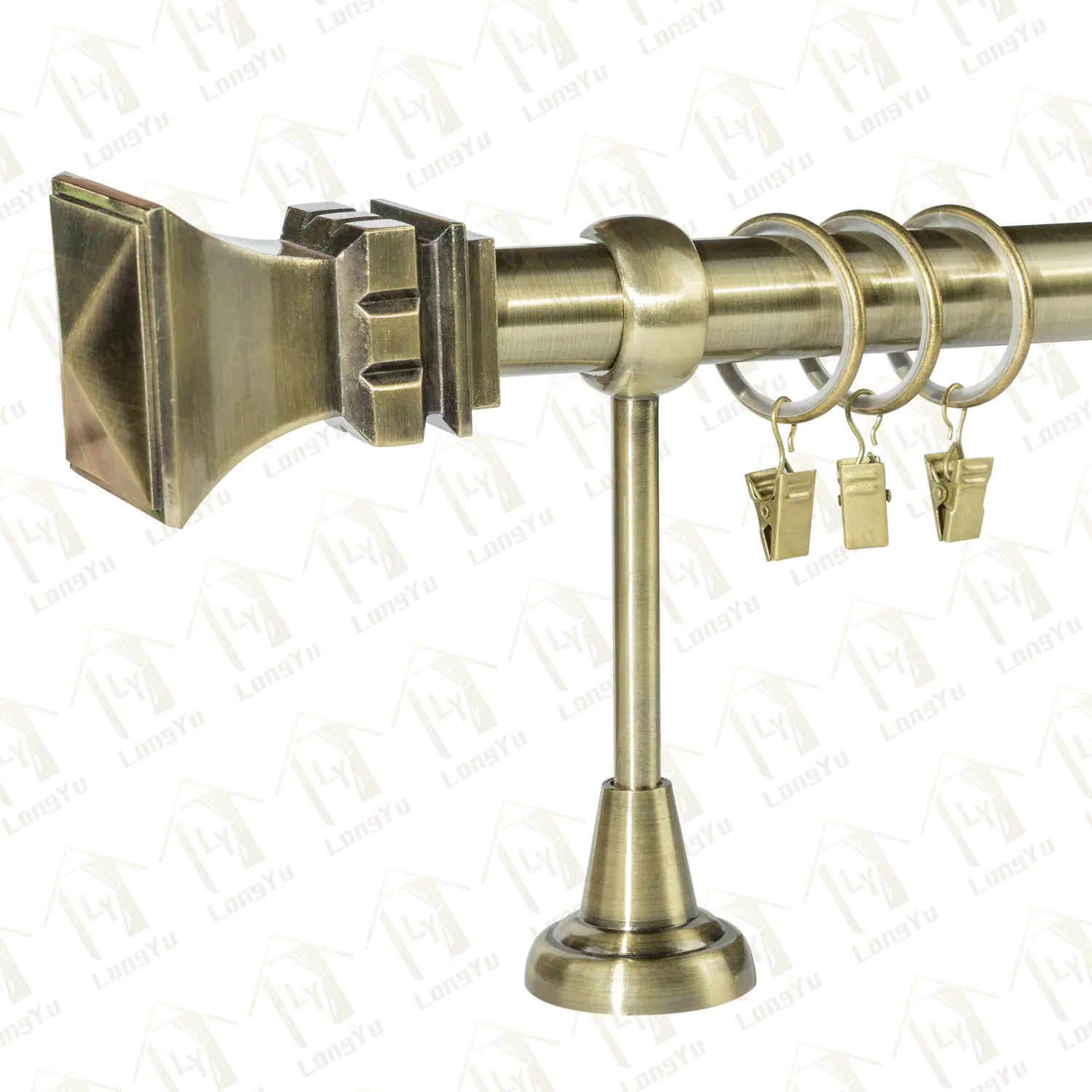
People also call this part a curtain rod bracket, a curtain rod holder, a drapery bracket or a rod support. Some are plain metal arms with a cradle. Others are decorative pieces that match the finials and add to the look of the room. The right curtain bracket keeps fabric moving smoothly and keeps the rod from sagging over time.
This guide covers how a curtain bracket works, the main types, materials, spacing, sizing, installation and the mistakes that cause most failures.
How a Curtain Bracket Works
A curtain bracket has three working parts. The backplate is the flat base that screws into the wall or frame. The arm extends outward and sets the projection, which is the distance between the wall and the rod. The cradle or socket at the end holds the rod in place, usually with a small set screw that locks it.
Load Path
The weight of the curtain pulls down on the rod, and the rod transfers that force to the cradle. The arm then passes it into the backplate, and the screws carry it into the wall. If any link is weak, the rod bows, the bracket bends or the screws pull out. Heavy lined curtains place far more stress on this chain than light sheers.
Projection and Clearance
Projection matters because the curtain needs room to clear window trim, radiators, sills and door handles. Most standard brackets project about 3 to 4.5 inches. Brackets for layered treatments such as a curtain over a blind or a double rod can project 6 inches or more.
Main Types of Curtain Brackets
Different windows and rods call for different bracket designs. The table below compares the most common ones.
| Type | Best Use | Key Feature |
|---|---|---|
| Standard wall bracket | Most rooms and rods | Simple arm with a rod cradle |
| Center support bracket | Wide windows | Prevents the rod from sagging mid span |
| Ceiling mount bracket | Floor to ceiling drapes | Fixes into the ceiling, adds height |
| Double rod bracket | Sheer plus heavy drape | Two cradles at different depths |
| Inside mount bracket | Recessed windows | Mounts inside the frame, small profile |
| Adhesive or tension bracket | Light curtains, rentals | No drilling, limited load |
Standard Wall Bracket
This is the curtain bracket most homes use. It screws into the wall above the window and holds a round rod at each end. It suits cafe curtains, panels and most lined drapes when installed into solid backing.
Center Support Bracket
A center support is a curtain bracket placed halfway along the rod. It is typically added once a rod passes about 48 inches wide, and it is essential for heavy fabric on wide spans.
Ceiling and Double Rod Brackets
Ceiling brackets work where the wall above a window is limited. Double rod brackets hold two rods, so a sheer curtain can sit closer to the glass with a heavier drape in front.
Materials Used in Curtain Brackets
The material decides strength, finish life and how well the bracket resists humidity. Here is how the main options compare.
- Steel: strong and affordable, ideal for heavy drapes. Needs a good coating to resist rust in damp rooms.
- Stainless steel: resists corrosion, a sound choice for bathrooms and coastal homes.
- Aluminum: light and rust free, suited to light and medium curtains.
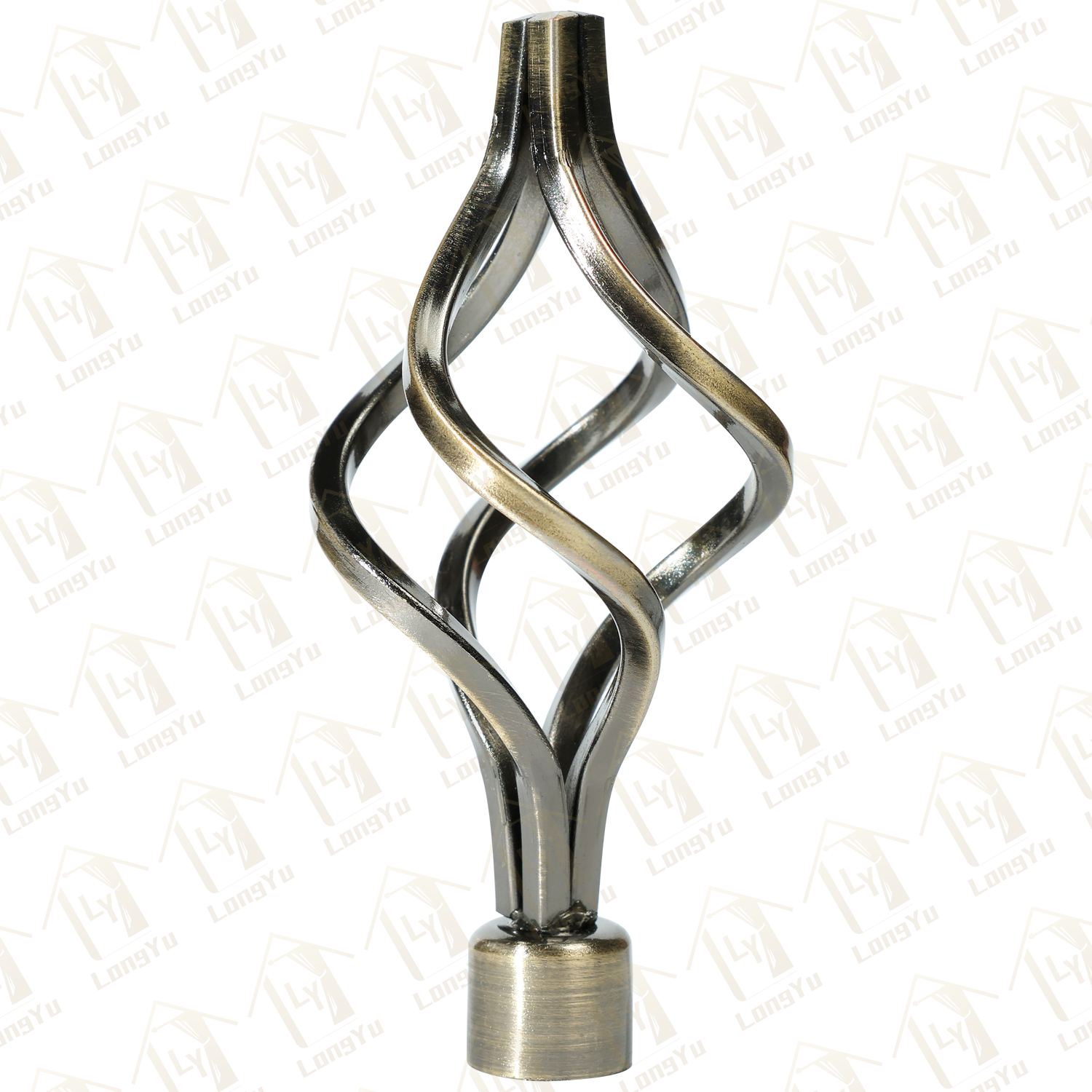
- Zinc alloy and brass: popular for decorative, cast designs with antique or brushed finishes.
- Wood: warm and traditional, matches wooden rods, but carries less load than metal.
- Plastic or resin: low cost and light, best kept for sheer fabric and temporary use.
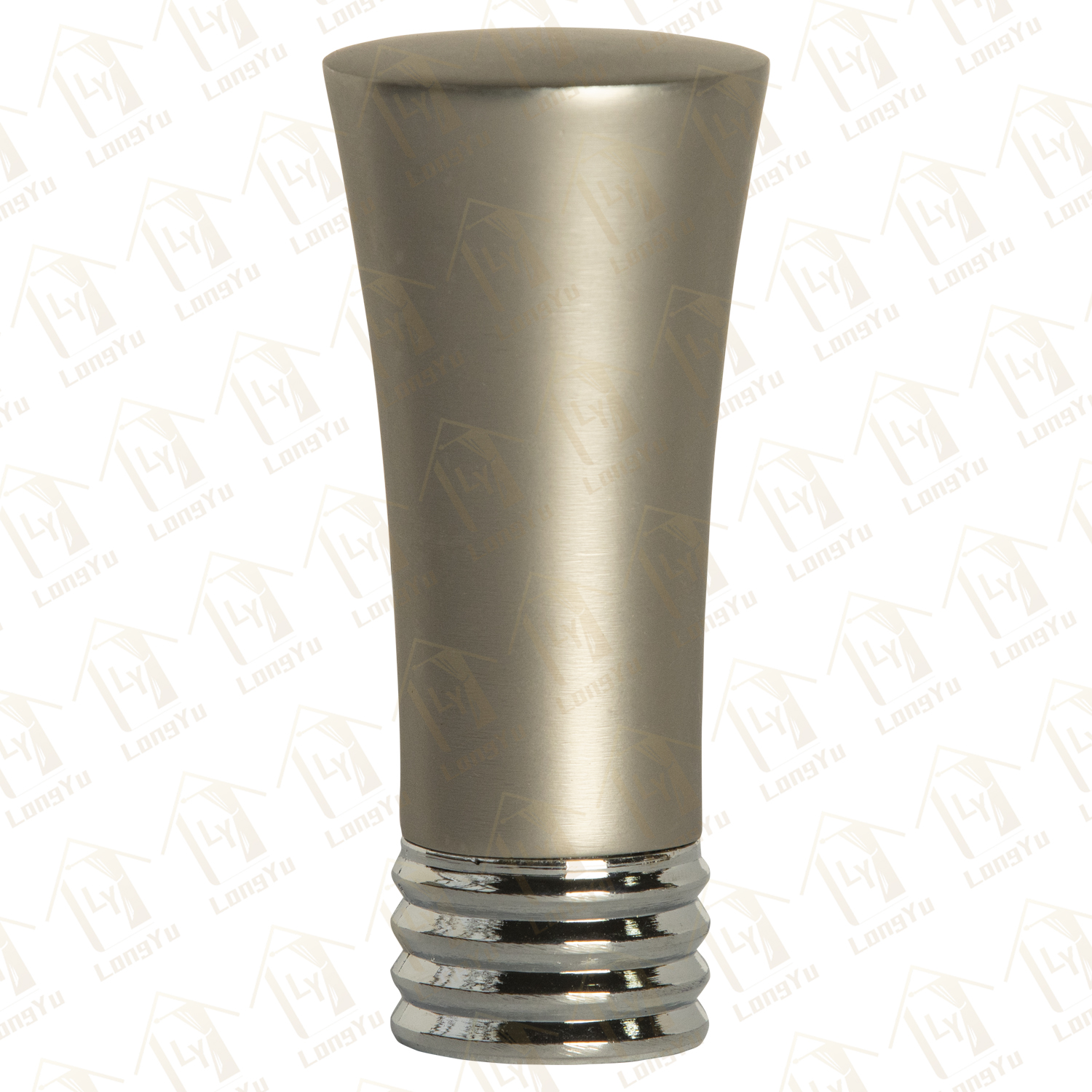
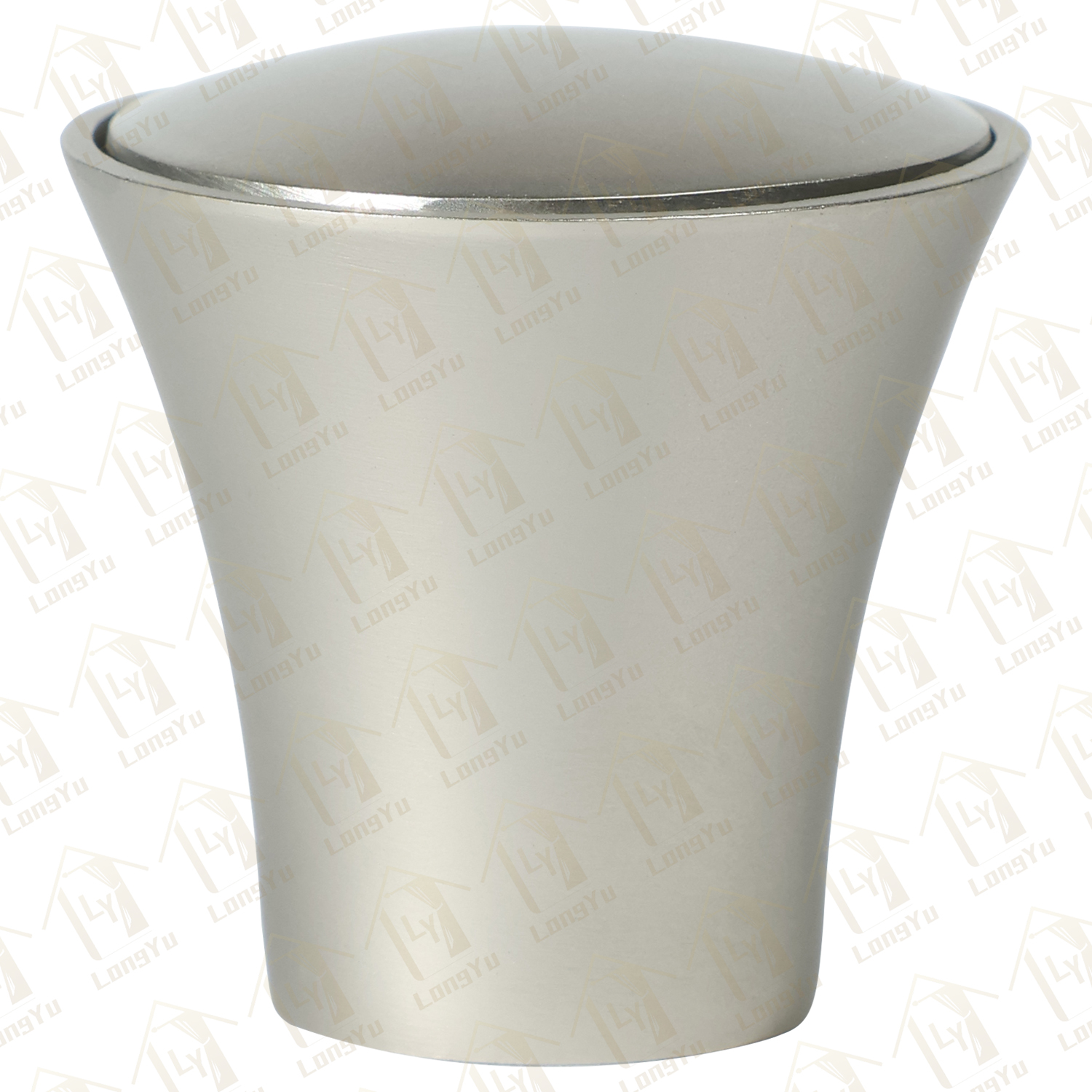
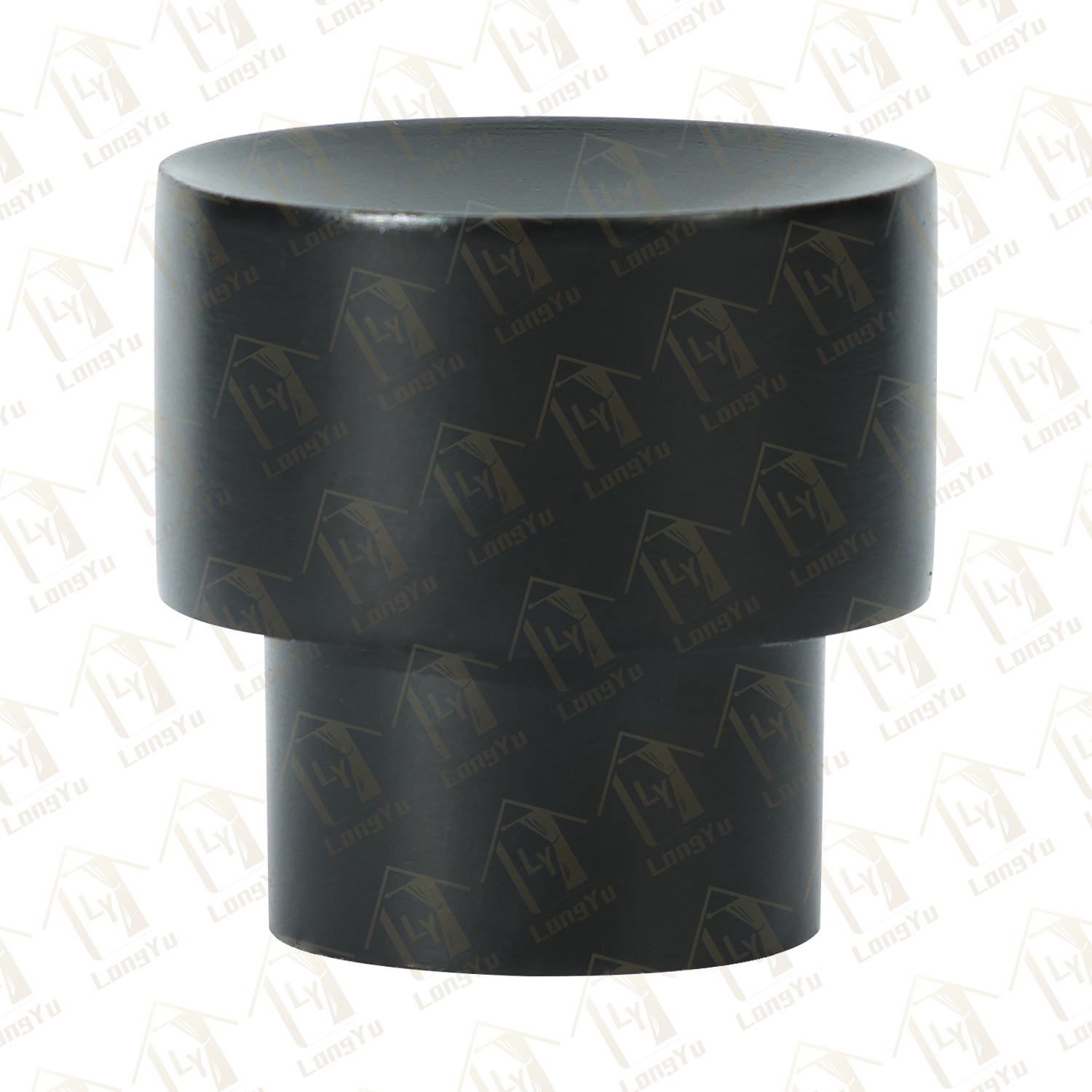
For finishes, matte black, brushed nickel, antique bronze and satin brass are the most requested. Pick a finish that matches door hardware and light fixtures so the room feels consistent.
Where to Place Curtain Brackets
Placement changes how large a window looks and how much light enters. These measurements are common design practice rather than fixed rules, so adjust them to your trim and ceiling height.
Height Above the Window
Mount the curtain bracket 4 to 6 inches above the window frame, or closer to the ceiling to make the room feel taller. Setting the bracket at the very top of the wall gives the strongest sense of height.
Width Beyond the Window
Place each bracket 3 to 6 inches outside the frame on both sides. That way the open curtains stack on the wall and expose the full glass, which lets in more daylight.
Spacing Along the Rod
Add a center bracket for spans over about 48 inches, and add more supports roughly every 36 to 48 inches for very long runs. Always follow the spacing printed in the rod maker instructions when it differs.
How to Choose the Right Curtain Bracket
Use this checklist before you buy. Each point prevents a common problem later.
- Match the rod diameter. The cradle must fit your rod, whether it is 5/8 inch, 3/4 inch, 1 inch or larger.
- Estimate the curtain weight. Lined, blackout and velvet panels are much heavier than sheers.
- Check the projection. Measure trim, sills and any blinds the curtain must clear.
- Look at the wall. Studs, brick, concrete and drywall each need different fixings.
- Pick a finish. Match your rod and room hardware.
- Count the supports. Buy a center bracket when the window is wide.
How to Install a Curtain Bracket
A careful install takes about 20 to 30 minutes per window. You need a tape measure, pencil, level, drill, stud finder and the right screws or anchors.
Step by Step
- Mark the height and the outer positions on both sides of the window.
- Use a level to confirm both marks sit at the same height.
- Find studs or the header above the window and mark them.
- Hold the backplate on the mark and pencil the screw holes.
- Drill pilot holes, using wall anchors where no stud is available.
- Fix the brackets, slide the rod through the curtain, then set it in the cradles.
- Tighten the set screws, add the finials and hang the curtain.
Fixing Into Different Walls
Screw directly into studs or the wood header whenever possible, because this gives the highest holding strength. In drywall without backing, use rated toggle or heavy duty anchors and keep curtains light. In masonry, use a masonry bit with plugs.
Common Curtain Bracket Mistakes
- Skipping the center support on a wide window, which leads to a visible sag.
- Using drywall screws alone for heavy drapes, so brackets slowly pull loose.
- Mounting too low, which makes the window and ceiling look smaller.
- Choosing too little projection, so fabric rubs on the sill or trim.
- Not leveling the brackets, which tilts the rod and makes curtains drift to one side.
- Leaving set screws loose, which lets the rod rotate or slide.
Care and Maintenance
A curtain bracket needs very little attention. Wipe it with a soft dry or slightly damp cloth a few times a year to remove dust. Avoid harsh cleaners on brushed or antique finishes, since they can dull the coating. Every six months, check that the screws are tight and the rod sits fully in the cradle. If a bracket shows rust, replace it before the stain reaches the fabric.
FAQ About Curtain Brackets
What does a curtain bracket do
It holds the curtain rod securely to the wall or ceiling, sets the distance from the wall and carries the weight of the curtains.
How many curtain brackets do I need
Two are enough for narrow windows. Add a center bracket once the rod passes roughly 48 inches, and more for very long runs.
Can I hang curtains without drilling
Yes, adhesive and tension brackets exist, but they suit light fabrics only. Heavy drapes need screwed brackets.
Is a curtain bracket the same as a curtain rod holder
Yes. Curtain rod holder, rod support and drapery bracket are all names for the same part.
How far should a curtain bracket stick out from the wall
Standard projection is about 3 to 4.5 inches. Choose longer arms when you need to clear trim, blinds or layered curtains.
Can curtain brackets be mounted on the ceiling
Yes. Ceiling brackets are made for this and are useful when wall space above the window is limited.
What is the best material for a bathroom
Stainless steel or aluminum handle humidity best because they resist rust.
Final Takeaway
A curtain bracket is a small part with a big job. Match it to your rod size, curtain weight and wall type, add a center support for wide windows, and fix it into solid backing. Do this and your curtains will hang straight and last for years.